Grower-producer - Champagne Creator - Online Sales
Grower-producer - Champagne Creator - Online Sales
By Cédric and Aurélien Mathelin, Récoltant-Manipulant winegrowers in Cerseuil (Vallée du Flagot) – updated 26 November 2026
On a Champagne label, two small letters say a lot: RM, for Récoltant-Manipulant. They identify a grower Champagne – a Champagne made by the winegrower who farmed and harvested the grapes. Here in Cerseuil, those letters have a story: a family that left the village cooperative in 1980 to make its own wine. Here is everything you need to understand, recognise and choose a grower Champagne.
Grower Champagne is made by a winegrower from the grapes of their own vines, in their own cellars. The grower handles the whole chain: pruning and vineyard work, harvest, pressing, vinification, blending, second fermentation, cellar ageing, disgorging, dressing and selling. Champagne rules allow only a very small share of bought-in grapes (5% at most) to keep Récoltant-Manipulant status.
In French it is called champagne de récoltant, champagne de vigneron or champagne de propriétaire; English speakers also say “farmer fizz”. Of the roughly 16,000 winegrowers in Champagne, only some make and sell their own Champagne: most sell their grapes to the big houses or to cooperatives.
The producer's status must appear on the label, in small print, before a registration number:
RM – Récoltant-Manipulant: the grower makes Champagne from their own grapes. This is grower Champagne in the strict sense.
RC – Récoltant-Coopérateur: the grower sells, under their own brand, a Champagne made by their cooperative.
NM – Négociant-Manipulant: a house that buys all or part of its grapes. This is the case of the big brands.
CM – Coopérative de Manipulation: a cooperative that makes and sells Champagne under its own brands.
SR – Société de Récoltants: several growers, often from one family, making Champagne together from their grapes.
ND – Négociant-Distributeur: buys finished bottles and labels them under its name.
MA – Marque d'Acheteur: a brand owned by a buyer (retailer, restaurant…).
To find a grower Champagne, simply look for the letters RM on the label.
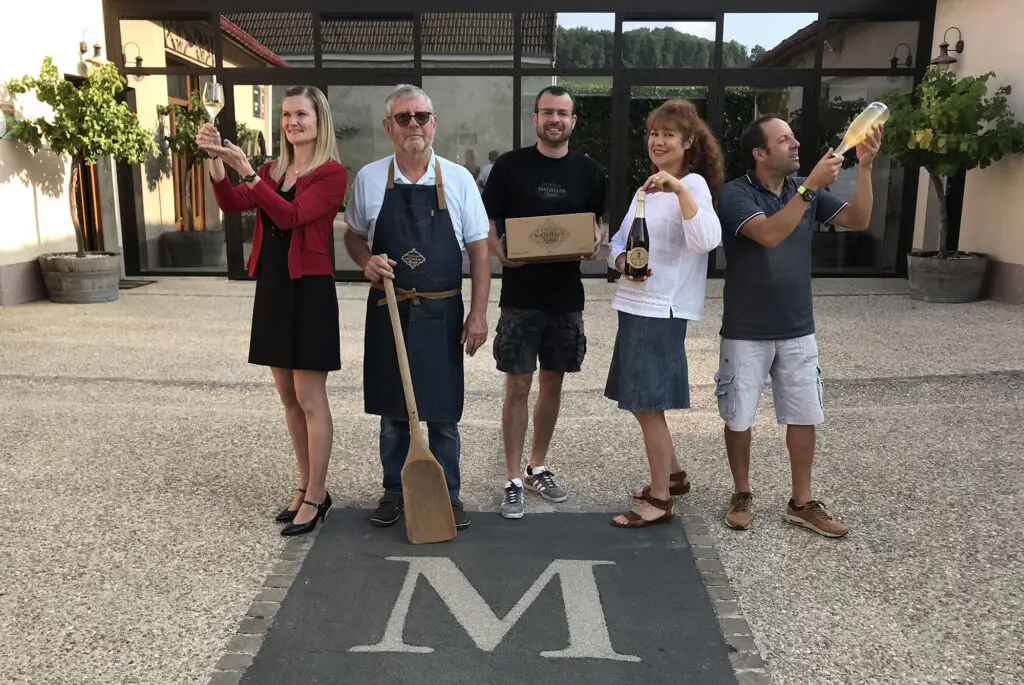
For generations, our family farmed its vines in the Vallée du Flagot and took its grapes to the village cooperative. In 1980, Gilles and Régis Mathelin made a decisive choice: to leave the cooperative, become Récoltants-Manipulants and make their own Champagne under their own name.
Going from RC to RM changes everything: investing in a press, vats and cellars, learning winemaking and selling. But it means keeping control of every decision, from the harvest date to the final dosage. Today Cédric and Aurélien, the ninth generation, run the estate's 13.5 hectares and carry this work on. Discover our estate.
A big-house Champagne often aims for a consistent style year after year, blending grapes from hundreds of villages. A grower Champagne expresses one specific place and personal choices.
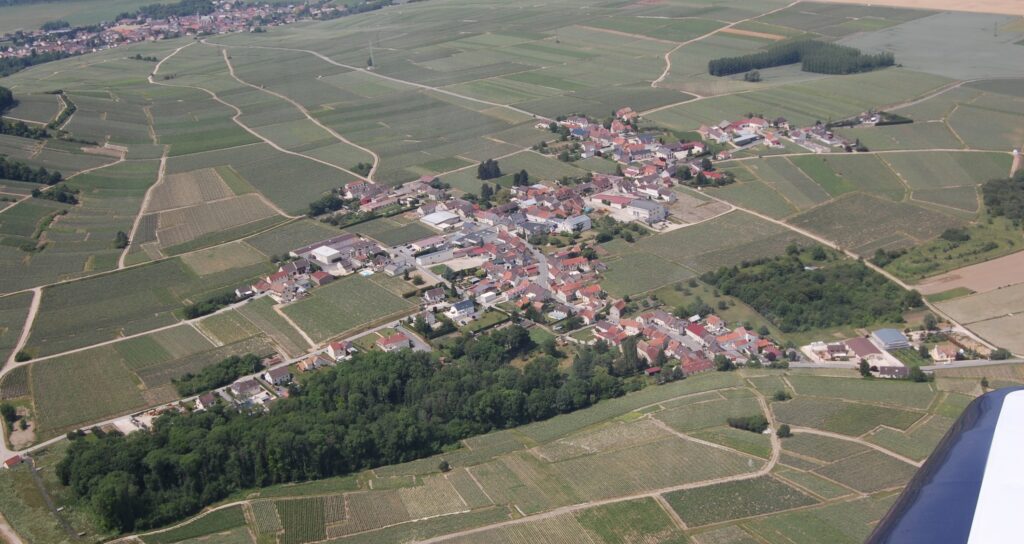
A readable terroir: all our grapes come from the slopes of the Vallée du Flagot, around Cerseuil.
A winegrower's blends: we taste our base wines plot by plot before deciding on the blends.
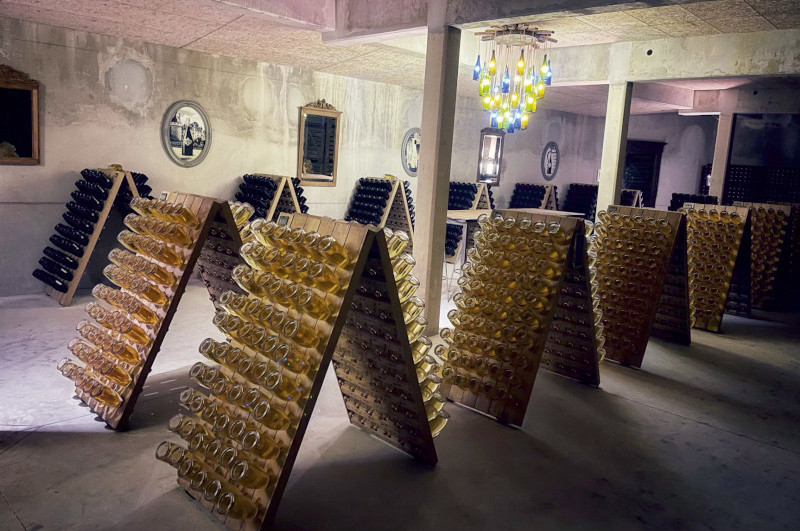
Time in the cellar: the rules require at least 15 months of ageing (3 years for a vintage). More than 250,000 bottles rest in our cellars, and some cuvées, such as L’Orée des Chênes, are aged in oak barrels.
A chosen dosage: extra brut, brut or extra dry, depending on what each wine needs.
All three Champagne grapes – Pinot Meunier, Pinot Noir and Chardonnay – grow on our slopes, but Meunier is at home here. It buds late, which protects it from spring frosts, and gives fruity, round, generous wines.
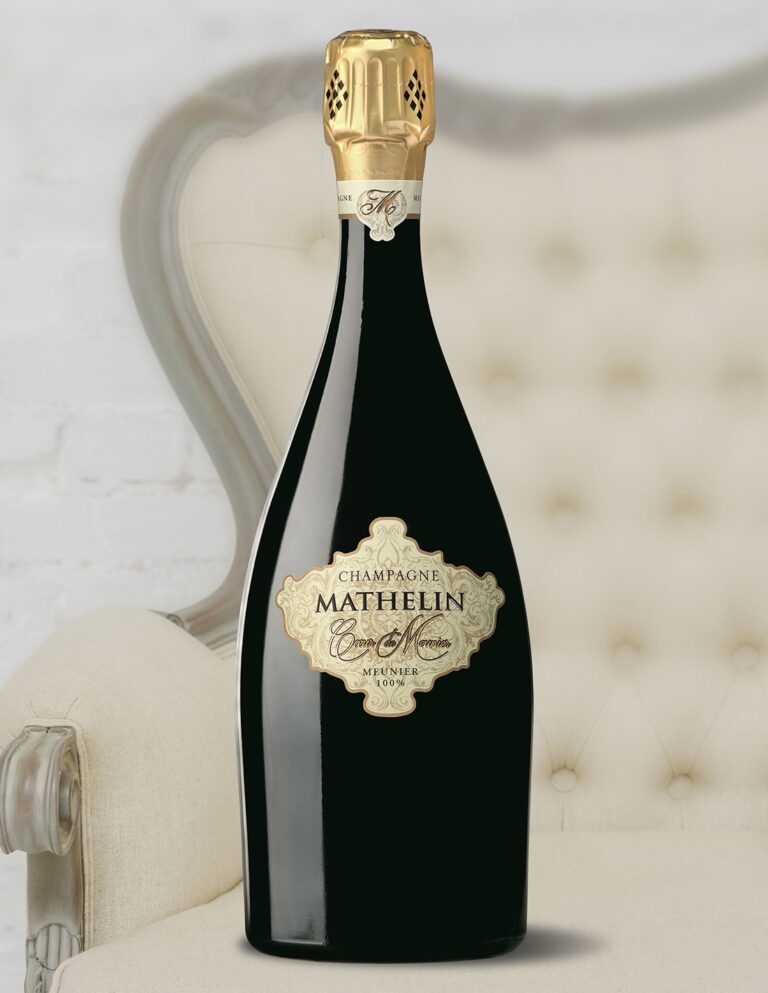
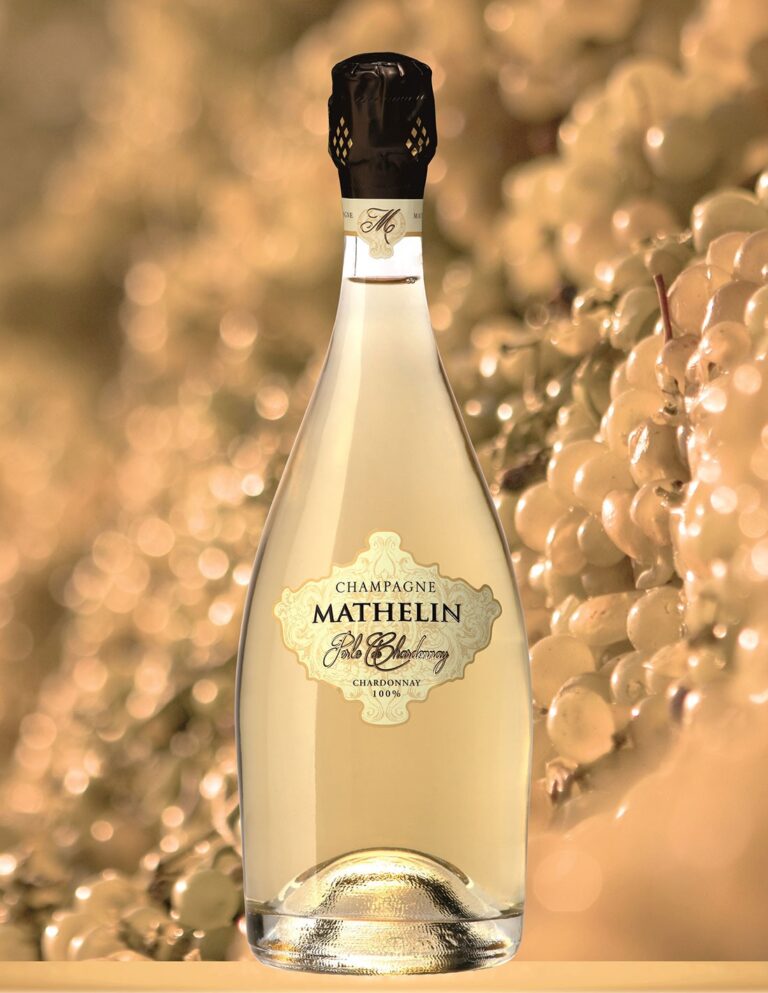
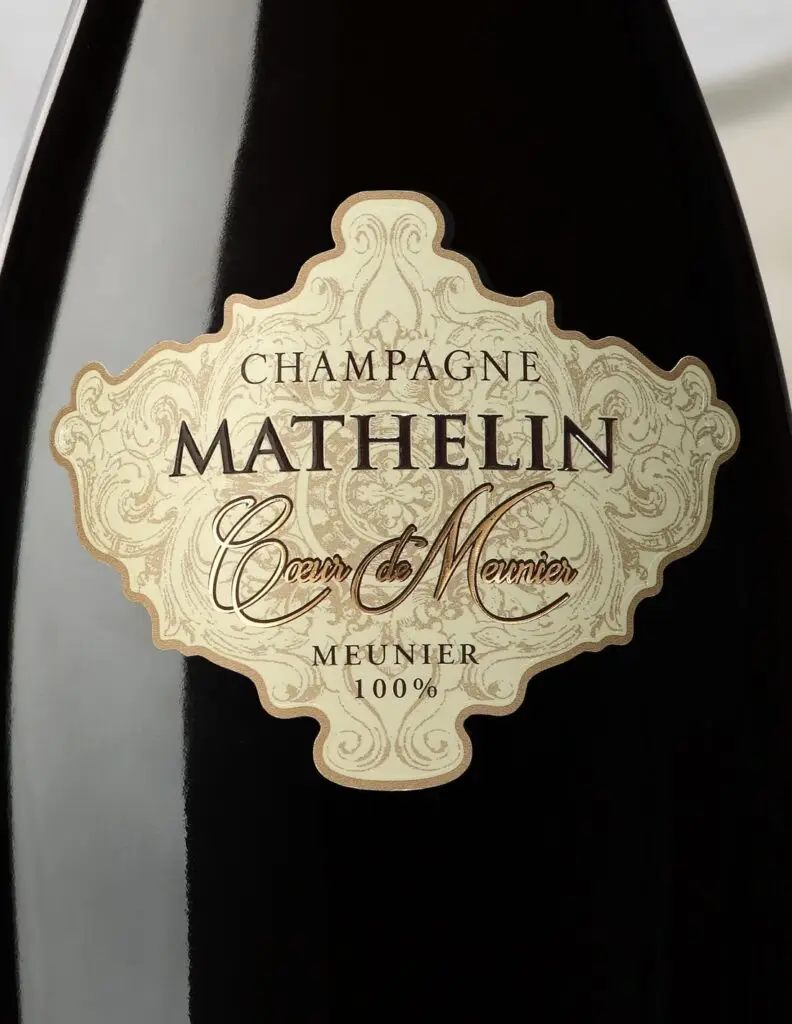
Our Cœur de Meunier cuvée pays tribute to it: a 100% Meunier blanc de noirs from our oldest vines, planted in 1933. By contrast, Perle de Chardonnay is a 100% Chardonnay blanc de blancs.
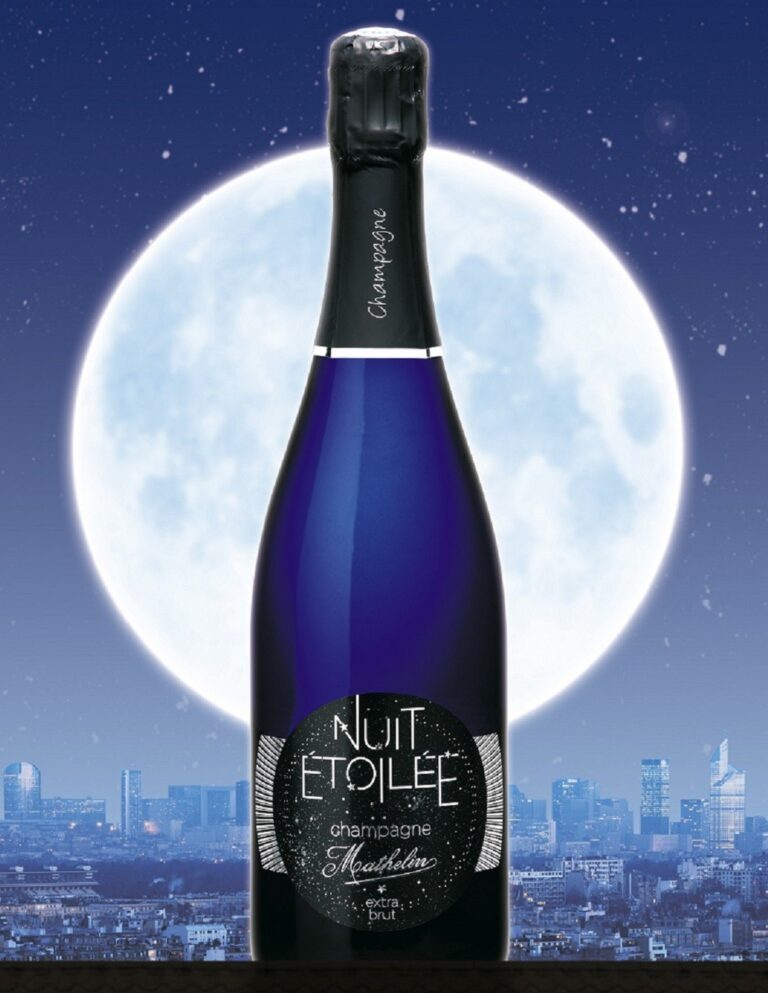
By dosage (sugar added before shipping): brut nature (under 3 g/l), extra brut (under 6 g/l), brut (under 12 g/l), extra dry (12 to 17 g/l). For a taut, lively Champagne, try Perpetual or Nuit Étoilée, both extra brut; for a softer style, Lucien Mathelin Extra Dry.
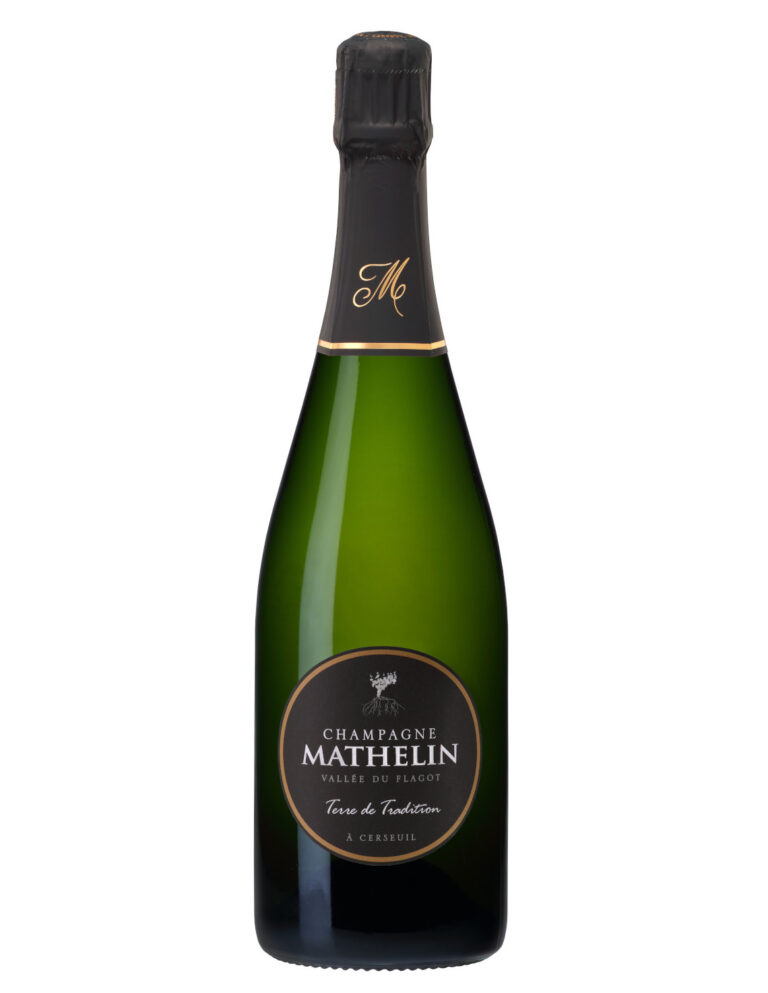
By grape: a blanc de blancs (Chardonnay) is fine and mineral, a blanc de noirs (Pinot Noir, Meunier) more vinous and fruity, a blend seeks balance, like Terre de Tradition, our signature brut.
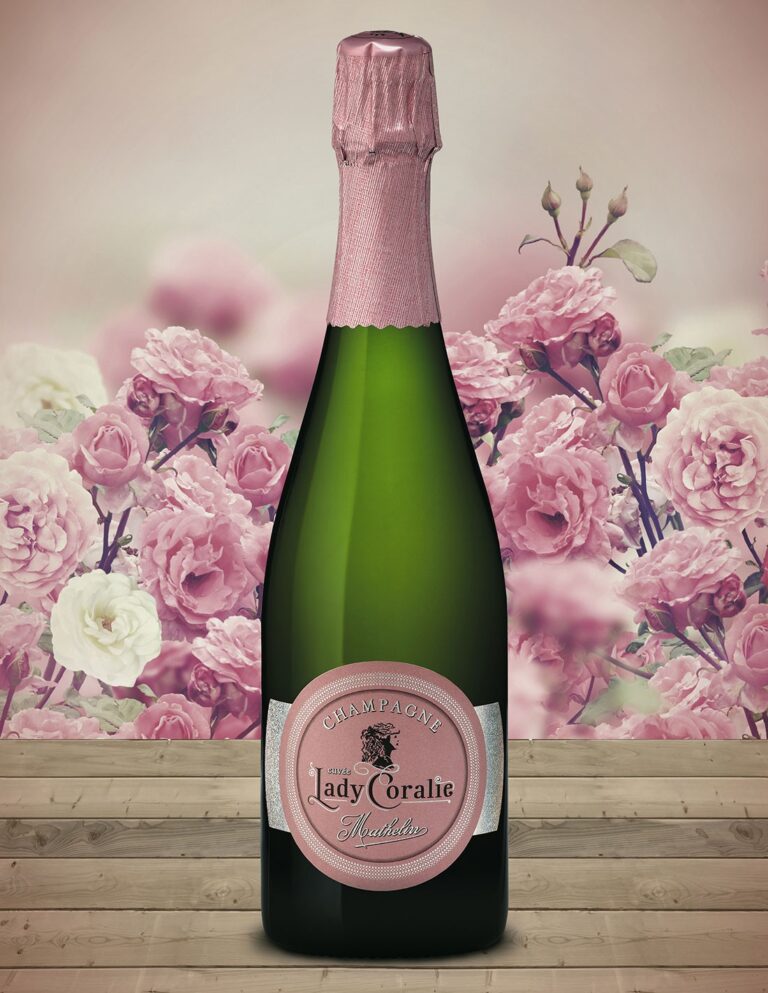
By colour: Rose de Vigne is a saignée rosé, made by briefly macerating black grapes; Lady Coralie is an œil de perdrix with a very pale hue.
By year: a vintage Champagne blends wines from a single harvest only, like Les Sables 2020 or Équilibre 2019.
Our Champagnes are regularly rated by the Gault&Millau guide, including:
Nuit Étoilée Extra Brut: 92/100 (Gault&Millau 2022)
Équilibre 2014 vintage: 92/100
Cœur de Meunier 2013, 2014 and 2015 vintages: 91/100
Perle de Chardonnay 2014 vintage: 91/100 (Gault&Millau 2021)
Lucien Mathelin Extra Dry: 91/100
Perpetual Extra Brut: 90/100 (Gault&Millau 2026)
Rose de Vigne: 90/100 (Gault&Millau 2023)
L'Orée des Chênes: 89/100 (Gault&Millau 2024)
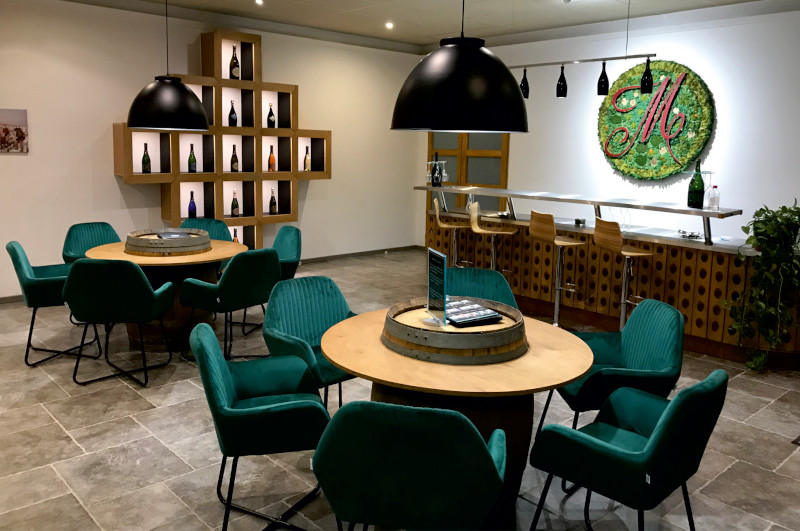
The best way is still to visit the estate: you meet the grower, taste the range and leave with your bottles. Our Champagnes are also available from our partner retailers and in our online shop, available once you create a customer account. See all our Champagnes.
Cerseuil is about fifteen kilometres from Épernay. We welcome you for a tasting and a tour of our cellars: the press, the vat room, the riddling racks, and a tasting of our cuvées with the people who made them.
Not automatically: the RM code guarantees where the grapes come from and who made the wine, not quality. But it gives you a Champagne from a specific terroir, made by the people who farmed the vines, often with more personality than a standardised style.
For comparable quality, it is often more affordable than a big-brand Champagne, as it carries no large advertising budget and fewer intermediaries.
Look for the letters RM, followed by a number, in small print on the label. RC indicates a Champagne made by a cooperative, NM a négociant house.
Récoltant-Manipulant is a regulated status shown on the label. Vignerons Indépendants is a federation of growers who farm, make and sell their own wine; Champagne Mathelin is listed with it.
A white Champagne made only from black grapes (Pinot Noir and/or Meunier), pressed gently so the juice stays clear. Our Cœur de Meunier, 100% Meunier, is one example.
Yes, most growers welcome visitors. In Cerseuil, we offer tastings and cellar tours, about fifteen kilometres from Épernay.